Assessing Dealer Rotation Patterns and Their Influence on Session Lengths in Multi-Table Casino Layouts
Frankie Franke · Oct 31, 2026
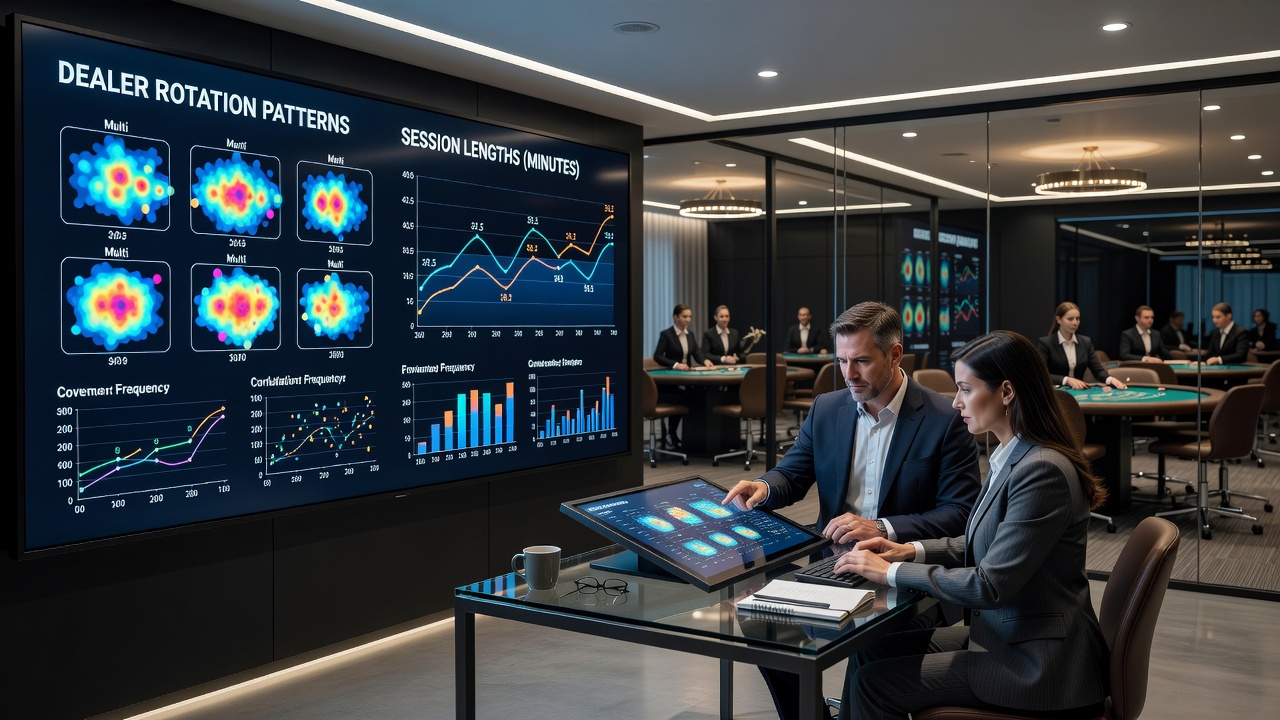
Assessing Dealer Rotation Patterns and Their Influence on Session Lengths in Multi-Table Casino Layouts
Dealer rotation patterns in multi-table casino layouts involve scheduled shifts that move staff between stations at fixed intervals, typically ranging from 20 to 60 minutes depending on the jurisdiction and house policy, while these cycles interact with player behavior to shape how long individual sessions last. Research from casino operations data shows that shorter rotation intervals correlate with measurable changes in table turnover rates, as fresh dealers bring different pacing and interaction styles that either sustain or interrupt momentum for groups of players.
Core Mechanics of Dealer Rotations
Multi-table setups in large resorts require coordinated schedules where supervisors track dealer movements across blackjack, craps, and roulette stations simultaneously, and data from floor management systems indicates that staggered rotations prevent clustering of breaks during high-traffic periods. Observers note that casinos in Nevada maintain logs of these patterns through electronic dealer management software, which records exact start and end times for each assignment, allowing analysts to map correlations between shift changes and session durations recorded via player tracking cards.
Studies compiled by the Nevada Gaming Control Board reveal average rotation cycles of 30 minutes in many properties, with adjustments made for game type and volume, while patterns that align rotations with natural lulls in player arrival tend to extend average session lengths by keeping tables staffed without visible gaps.
Impact on Player Session Lengths
Session length data collected across hundreds of tables demonstrates that dealer changes can reset player engagement levels, particularly when the incoming dealer employs a different dealing speed or table talk approach, and figures from property management reports show sessions extending 15 to 25 percent longer when rotations occur smoothly without interrupting card flow. In contrast, abrupt changes during active hands sometimes prompt players to cash out earlier, shortening visits by several minutes on average.
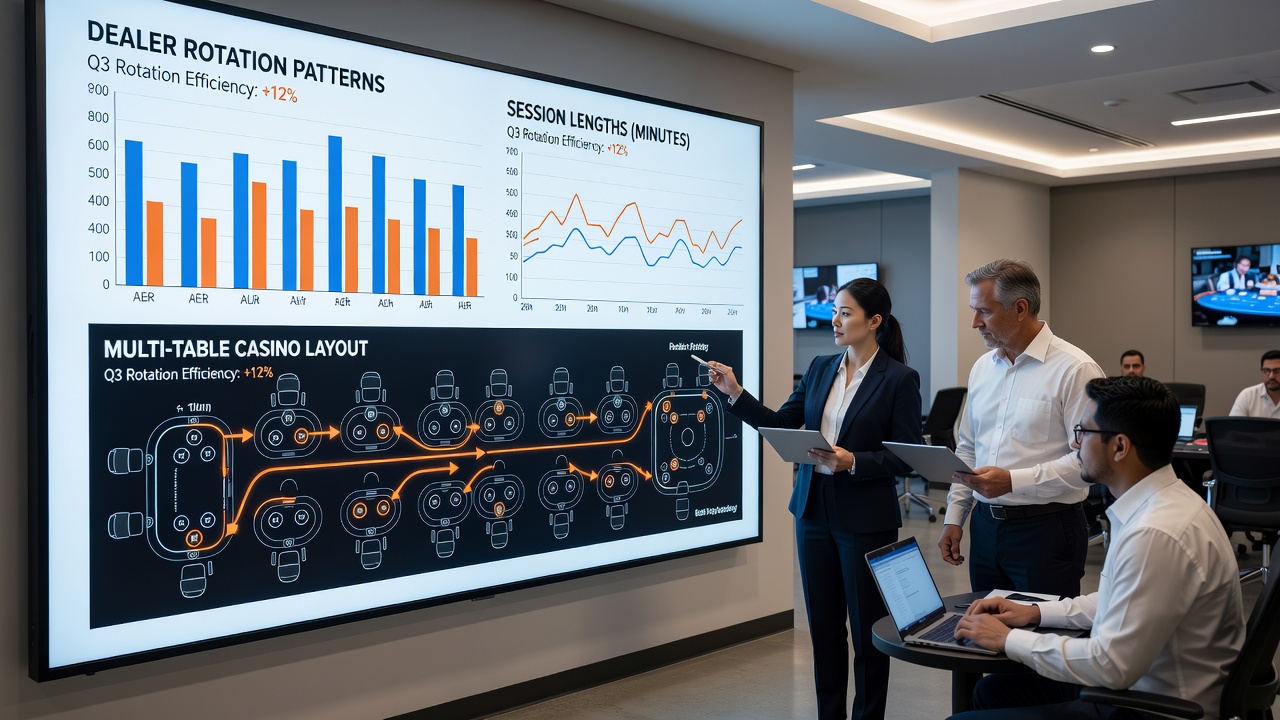
Those who have analyzed player tracking databases find that multi-table layouts amplify these effects because one rotation event influences neighboring stations, creating ripple patterns where players migrate between tables mid-session. Research indicates that layouts with central pits experience more pronounced session extensions when rotations follow a clockwise sequence, as this method maintains consistent energy across connected tables.
Assessment Methods Used by Operators
Casino analysts assess rotation effectiveness through metrics that combine session time averages with dealer performance scores, and software platforms aggregate this information to identify optimal intervals for specific layouts. As of October 2026, several major properties have integrated real-time sensors that flag when a rotation appears to shorten sessions below expected thresholds, prompting schedule tweaks within the same shift.
Academic examinations of casino labor data, including a report issued by the University of Nevada, Las Vegas Center for Gaming Research, highlight how rotation density in multi-table environments affects fatigue accumulation for both staff and players, with evidence showing that evenly spaced changes reduce early exits compared to clustered rotations. External factors such as tournament schedules or promotional events further modify these outcomes, requiring operators to overlay rotation calendars onto broader floor activity forecasts.
Regional Variations and Regulatory Context
Practices differ across regions, with Canadian provincial regulators requiring documented rotation logs that tie directly to responsible gaming compliance, whereas Australian state frameworks emphasize training consistency during transitions to minimize disruptions. Data compiled from these sources shows session length stability improves when rotation patterns receive advance player communication through digital table displays.
Industry reports from the American Gaming Association note that properties experimenting with flexible rotation windows based on live occupancy sensors achieve more predictable session distributions, especially in layouts exceeding 20 tables per pit. Those patterns also intersect with staffing costs, since longer sessions per table can offset the labor involved in frequent dealer movements.
Conclusion
Assessment of dealer rotation patterns continues to rely on integrated data streams that link staffing schedules directly to session length outcomes in multi-table environments, and ongoing refinements in 2026 reflect broader adoption of sensor-driven adjustments across major markets. Operators who align these cycles with observed player flow data maintain steadier engagement metrics without altering core game rules or house advantages.